
Scotland County Criminal Court Records
A Scotland County criminal court record is the case-level file kept by the court after a prosecution begins. It is not just a booking entry. The criminal case file can show the charging instrument, court dates, pleas, motions, bond orders, docket events, dispositions, judgments, sentences, financial obligations, probation terms, and appeal notices. The same case can have public docket information online and file documents that require clerk review or a copy request.
North Carolina uses the Superior Court and District Court divisions of the General Court of Justice. District Court handles many misdemeanors and infractions, while Superior Court handles felony criminal cases. Scotland County is listed by the Judicial Branch in Prosecutorial District 21, Superior Court District 21, and District Court District 21. The Clerk of Superior Court at the Scotland County Courthouse is the local custodian for these criminal court records.
For the arrest-to-charge path before the full case file develops, use the Scotland County arrest records and court charges page. For general civil, estate, family, judgment, and traffic case access, use the broader Scotland County court records page.
Search Scotland County Criminal Court Records
The North Carolina eCourts Portal is the first online channel for public Scotland County criminal court records. Smart Search can show the case summary and Register of Actions for public criminal cases. The Portal training material says Smart Search can include case information, assignment information, party information, case events, dispositions, hearings, and financial information when applicable.
- Open eCourts Portal and use Smart Search for criminal case information.
- Search by defendant name, case number, attorney, citation, or another supported field.
- Use Scotland County as the location filter and Criminal Actions as the case type when available.
- Open the case summary and read the docket events, hearings, dispositions, and financial entries.
- Request copies from the Clerk of Superior Court when the record must be complete or certified.
Portal registration is not required for public case viewing. Registration may let a frequent user save cases, but the Judicial Branch says it does not create extra public access. Restricted criminal case information is available only to authorized users with a verified need and legal authority.
Scotland County Criminal Case Flow
Criminal court records change as the case moves. The first record may show a charge, summons, warrant, indictment, or other charging event. Later entries may show arraignment, counsel appointment, pretrial motions, hearings, plea negotiations, trial settings, verdict, disposition, and sentencing. A single arrest can produce several charges, and each charge can have a different outcome.
Case flow: Charges Filed › Arraignment › Pretrial / Motions › Plea or Trial › Disposition › Sentencing
| Stage | What the Criminal Court Record May Show |
|---|---|
| Charges Filed | Charge text, statute reference, offense date, case number, arresting agency, warrant or indictment context. |
| Arraignment | Formal advisement of charges and plea entry, such as guilty, not guilty, or other allowed response. |
| Pretrial / Motions | Bond orders, continuances, discovery disputes, suppression motions, counsel changes, and hearing settings. |
| Plea or Trial | Plea agreements, trial settings, verdicts, dismissed counts, amended charges, or acquittals. |
| Disposition | The outcome of each charge or the case, including guilty, not guilty, dismissed, or other result. |
| Sentencing | Judgment, confinement, probation, fines, costs, restitution, and other court-imposed terms. |
What Scotland County Criminal Records Show
The criminal case record links a person, charge, court, event history, and outcome. It can also show when a case changed levels, when a defendant failed to appear, when counsel was assigned, or when a financial obligation was imposed. Public records may redact protected identifiers. Sealed, juvenile, expunged, and certain confidential material should not appear in ordinary public results.
| Field | What It Shows |
|---|---|
| Case Number | The Enterprise Justice case identifier, with year, case type letters, sequence number, and county identifier. |
| Defendant | The person charged, with protected identifiers withheld from public view when required. |
| Court / Division | District Court, Superior Court, magistrate-related entry, or appeal-related activity. |
| Charges | Charge description, statute, count, severity, offense date, and later amendments when public. |
| Hearings | Date, time, location, courtroom, hearing type, and judicial officer where available. |
| Plea | The defendant's formal response or negotiated plea where entered in the record. |
| Disposition | The result of each charge or the case, such as guilty, dismissed, not guilty, or other outcome. |
| Sentence | Confinement, probation, costs, fines, restitution, attorney fees, or other judgment terms. |
Charges and Convictions in Scotland County
A charge is an accusation. A conviction is an outcome after a guilty plea, verdict, or other finding of guilt. Scotland County criminal court records can show charges that were amended, reduced, dismissed, or resolved without conviction. Reading only the original charge list can lead to a wrong conclusion if the disposition and sentence are ignored.
| Issue | Charge | Conviction |
|---|---|---|
| Meaning | An allegation filed in the criminal case. | A final guilt result by plea, verdict, or judgment. |
| Timing | Appears early in the case and may change. | Appears at disposition or judgment. |
| Record reading | Check amendments, reductions, dismissals, and count-level outcomes. | Read sentence, probation, costs, and appeal entries. |
| Public access | Often public unless restricted, sealed, juvenile, or expunged. | Often public unless restricted, sealed, juvenile, or expunged. |
Note: A dismissed charge can still appear in public case history unless sealed or expunged by court order.
Scotland County Criminal Court Offices
The District Attorney for Prosecutorial District 21 prosecutes criminal cases for Anson, Richmond, and Scotland counties. The North Carolina Conference of District Attorneys states that the District Attorney prosecutes criminal cases filed in the district, represents the State in criminal and some juvenile matters, prepares the criminal trial docket, and advises law enforcement. Judicial Branch news reported that Jamie Adams was appointed District Attorney for Prosecutorial District 21 in September 2024.
Indigent defense runs through North Carolina Indigent Defense Services. The IDS Scotland County page lists Defender District 21 and Public Defender Phillip Elkins. IDS says people can find out whether they have a lawyer by calling the Public Defender Office at 910-266-4550. The public defender is not a records office, but counsel information can matter when a pending criminal court record shows appointed counsel, continuances, probation violations, or case status.
Clerk of Superior Court
212 Biggs Street
Laurinburg, NC 28352
910-266-4400
Criminal case records, file copies, and docket access.
Public Defender Office
Scotland County Judicial Annex
231 E. Cronly Street
Laurinburg, NC 28352
910-266-4550
Eligibility and assigned-counsel questions.
Criminal Record Restrictions and Tools
The Judicial Branch expunction help topic explains that record clearing depends on the exact statute, charge, disposition, and waiting period.
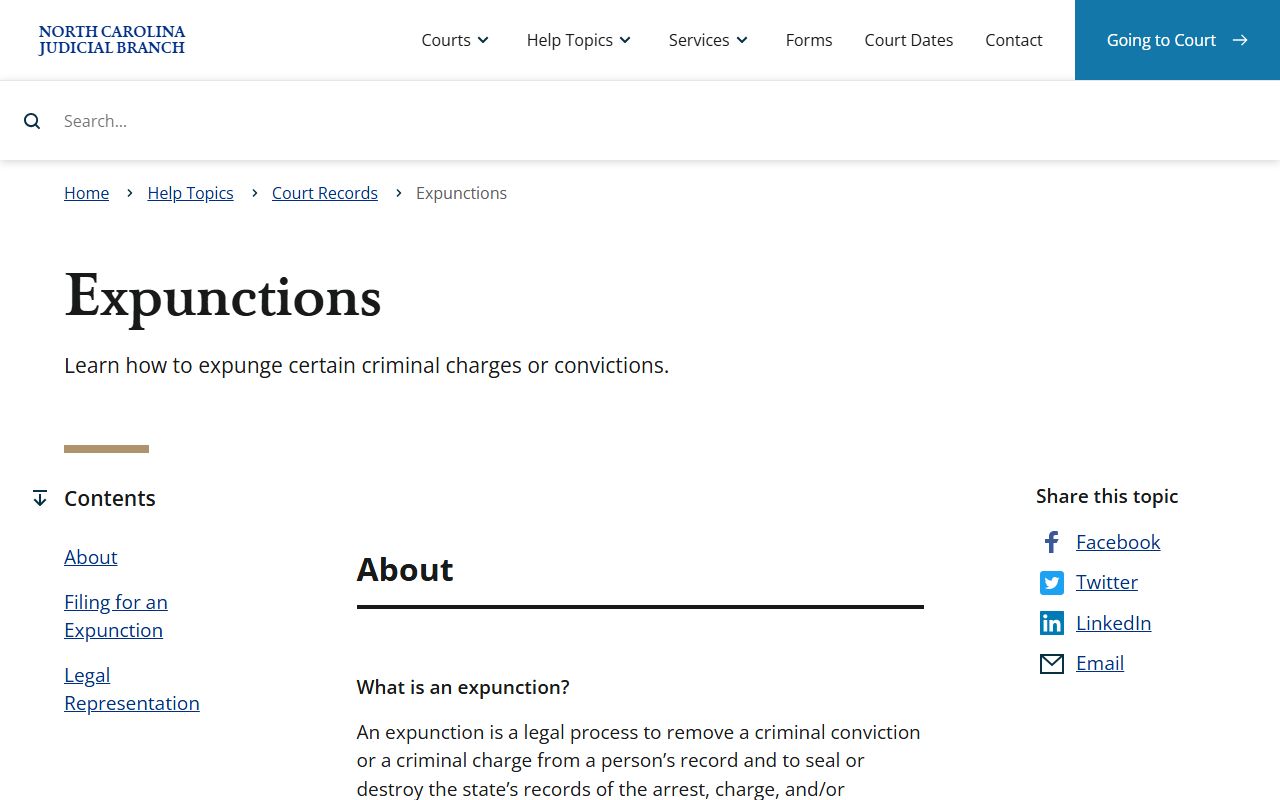
Expunction affects what the public can see in Scotland County criminal court records after a court grants the proper order.
The Judicial Branch juvenile delinquency page explains why juvenile court records are not ordinary public criminal records.
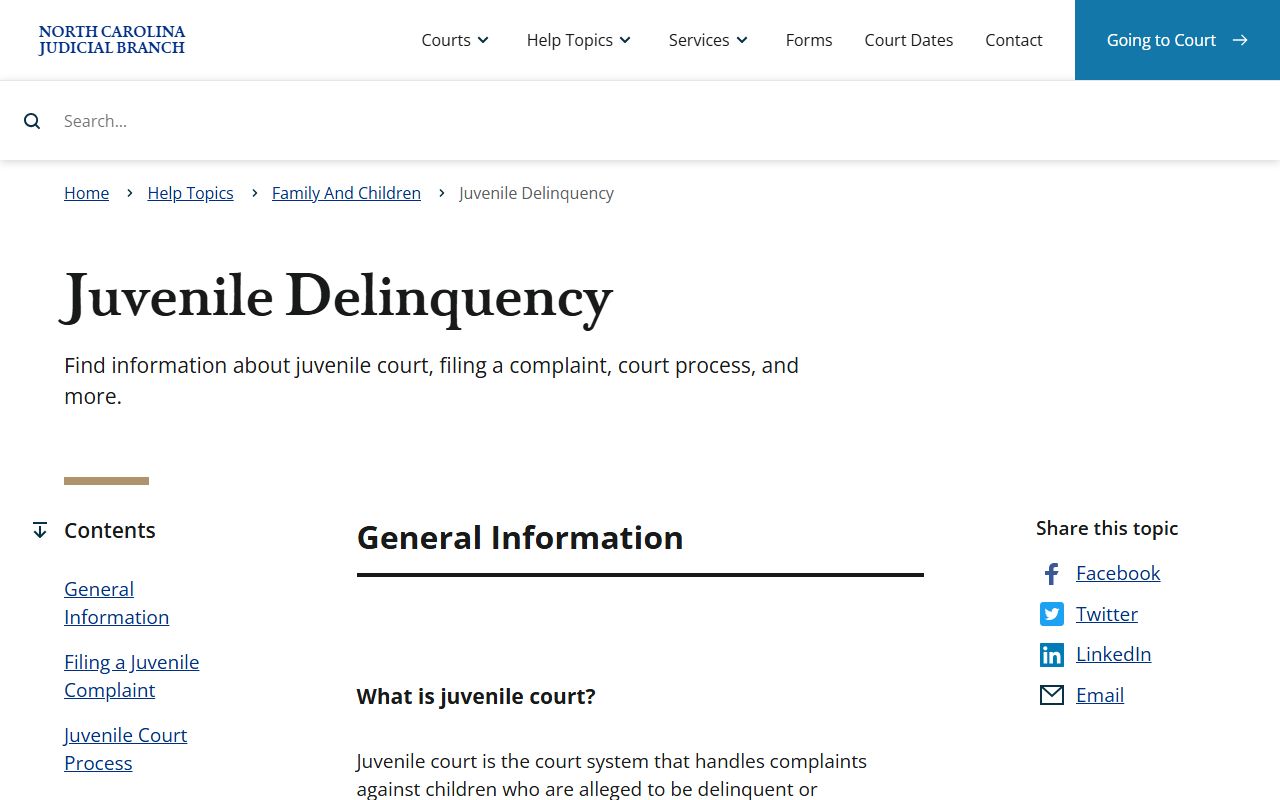
Juvenile hearings may be handled in court, but the records are confidential except for authorized persons or court order.
The juvenile record statute gives the legal basis for withholding juvenile records from public inspection.
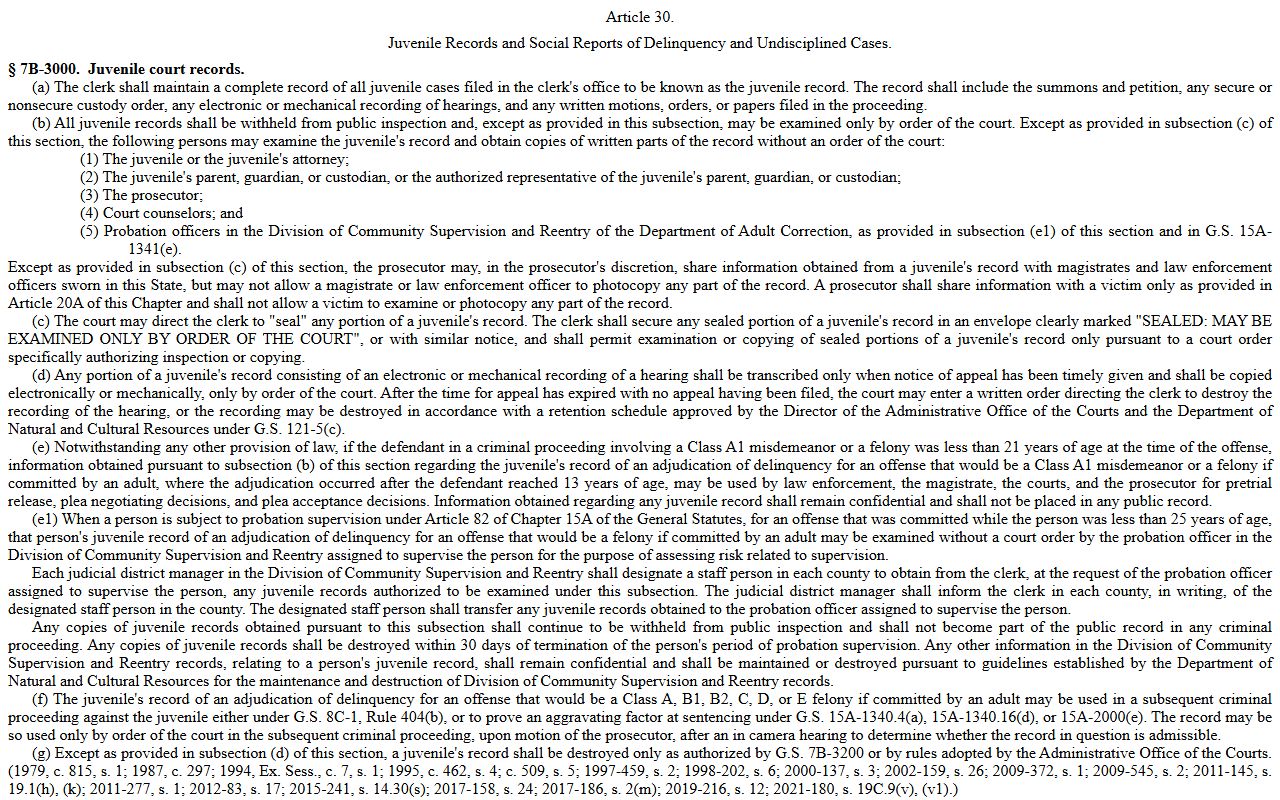
That statute is one reason a public search may show little or no information even when a juvenile matter exists.
The Chapter 48 adoption confidentiality statute identifies another category of court-related records outside ordinary criminal access.
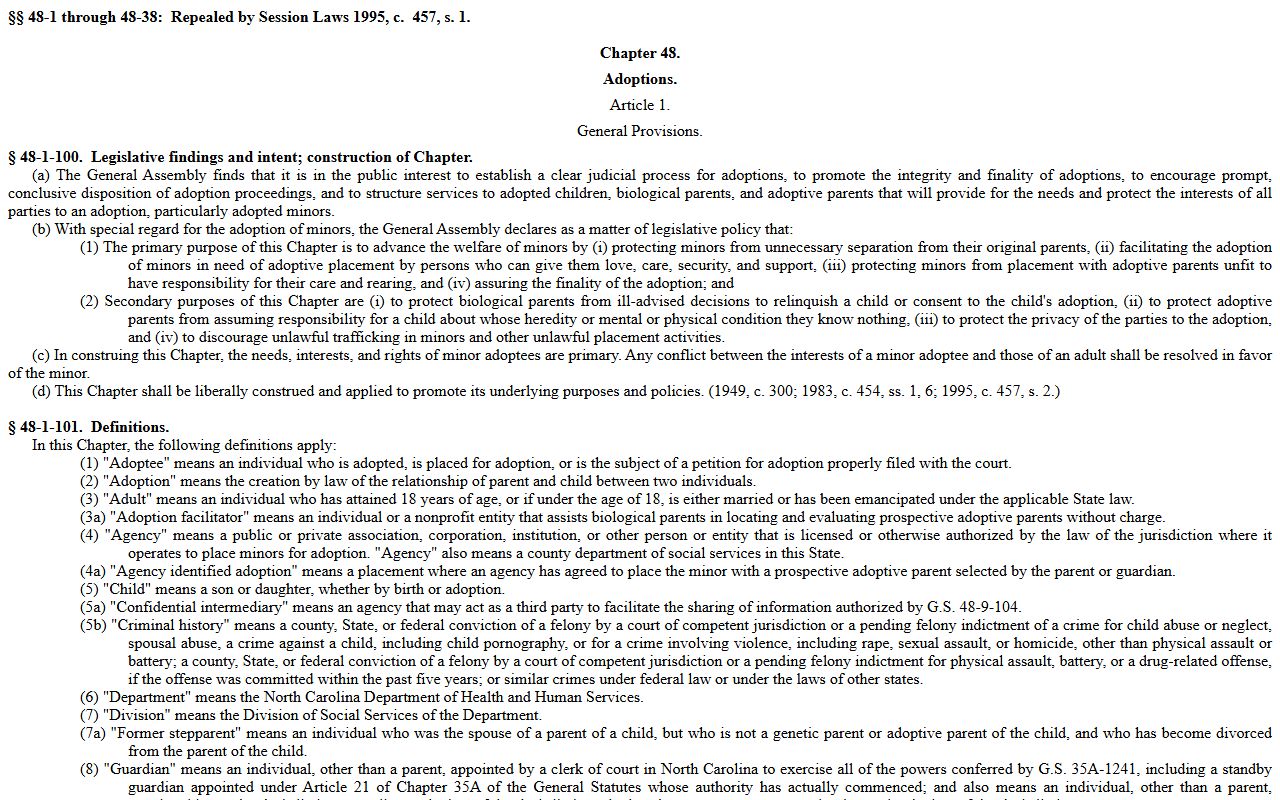
Adoption material can appear near family or juvenile contexts, but it is not part of open criminal case access.
The N.C. SBI sex offender registry is a separate statewide registry, not a full Scotland County criminal court record.
Registry information can relate to a conviction, but the conviction details and court events must be checked in court records.
Sealed and Expunged Criminal Records
Sealing and expunction are not the same. A sealed record is hidden from ordinary public access but may remain available to the court or authorized agencies. An expunged record is removed from public official records covered by the order. North Carolina has many expunction statutes, and the right path depends on dismissed charges, not-guilty findings, first-offender matters, nonviolent convictions, juvenile matters, and other categories.
| Issue | Sealed | Expunged |
|---|---|---|
| Public visibility | Hidden from ordinary public view by court restriction. | Removed from public official records covered by the order. |
| Record existence | The file may still exist with restricted access. | Agencies named in the order must act on the expunction. |
| How it happens | Usually by court order or confidentiality law. | By petition and court order under a specific expunction statute. |
| Reader caution | Portal may show little or nothing. | Private databases may lag, so keep a certified copy of the order. |
Public Scotland County Criminal Records
Criminal court records are generally open when no confidentiality rule applies. N.C.G.S. 7A-109 requires clerks to maintain records, dockets, files, and indexes and allows public inspection during regular office hours except as prohibited by law. Chapter 132 also makes returned arrest and search warrants, indictments, criminal summonses, and nontestimonial identification orders public unless sealed by court order.
Public access has limits. Juvenile records, abuse or neglect matters, adoption records, mental health proceedings, sealed records, expunged matters, and protected personal identifiers are not ordinary public criminal case data. Portal can also be incomplete for a background check. The Judicial Branch directs background checks to the county clerk's office rather than Portal.
Important: Use court records for case research, not for FCRA-regulated screening decisions such as employment, credit, insurance, or tenancy.