
Scotland County Court Dockets Defined
A docket is the court's running record of case activity. In Scotland County, the docket may show filings, motions, continuances, hearings, orders, judgments, dispositions, and courtroom settings for matters in the Superior Court and District Court divisions. The docket helps a reader see case movement without reading every document in the file. A hearing calendar is narrower: it shows upcoming or current settings, such as date, time, place, courtroom, hearing type, and judicial officer when available.
Scotland County is part of North Carolina's unified statewide court system. The Judicial Branch structure page says the state has one statewide system rather than local county courts. That means Scotland County court dockets are tied to statewide eCourts tools and the Clerk of Superior Court, not a county-run docket site. District Court handles many misdemeanors, infractions, juvenile matters, domestic cases, small claims-related matters, and magistrate issues. Superior Court handles felony criminal cases, civil cases over $25,000, certain appeals, and jury trials.
- Docket
- The chronological record of filings, hearings, and case events.
- Hearing
- A scheduled court appearance or court action before a judicial officer.
- Disposition
- The outcome of a charge, claim, motion, or case.
- Continuance
- A postponed hearing or trial date.
Search Scotland County Court Dockets Online
The North Carolina eCourts Portal is the online starting point for Scotland County court dockets. Use Search Hearings for court calendars and Smart Search for the fuller case-summary view. The Portal training resources state that Search Hearings lets users search current court calendars for hearing locations and times by case number, party name, business name, attorney name, bar number, judicial officer, or courtroom.
- Open the eCourts Portal and select Search Hearings for calendar information.
- Enter a case number, party name, business name, attorney, bar number, courtroom, or judicial officer.
- Filter the results to Scotland County when the location filter is available.
- Review the hearing date, time, location, courtroom, type, and judicial officer fields.
- Use Smart Search when the docket entry needs full case context, disposition, or financial information.
If the hearing is urgent, confirm with the Clerk of Superior Court before travel. Online court dockets may lag a continuance, emergency closure, or same-day courtroom change. The courthouse contact directory lists the Clerk of Superior Court at 910-266-4400, District Court Judges at 910-419-7575, Superior Court Judges Office and Court Reporter at 910-419-7686, Magistrates at 910-266-4540, and Official Court Reporters at 910-266-4579.
Scotland County Court Docket Search Fields
Search Hearings is built for calendar lookup, so it asks for hearing-related inputs rather than every field in a full case record. A case number is the cleanest search when known. Name searches are useful for parties and attorneys, but common names may need a date, courtroom, or location filter. Attorney bar-number search can narrow a docket where multiple lawyers share similar names.
| Field Label | Type | Required | Options / Format Notes |
|---|---|---|---|
| Case Number | Text | No | Search current court calendars by case number. |
| Party Name | Text | No | Search hearings by a person's name. |
| Business Name | Text | No | Useful for companies, agencies, or business parties. |
| Attorney Name | Text | No | Search by lawyer name when party details are unknown. |
| Attorney Bar Number | Text / number | No | Helps identify the correct attorney in crowded results. |
| Judicial Officer | Text / filter | No | Search by judge or other judicial officer. |
| Courtroom | Text / filter | No | Search by courtroom when the setting location is known. |
Smart Search can add case status, case type, filing date range, party details, case events, dispositions, and financial entries. That second step matters when a docket entry says only that a hearing occurred but does not explain the result.
Scotland County Court Dockets by Court
The Scotland County Judicial Branch page places the county in Prosecutorial District 21, Superior Court District 21, and District Court District 21. For docket users, those district labels explain why criminal prosecution, Superior Court settings, District Court settings, magistrate processes, and public defender channels may point to related but separate offices. The same local courthouse is the access point for both major trial divisions.
| Court / Office | Docket Role | Contact |
|---|---|---|
| Superior Court | Felony criminal cases, higher-value civil cases, jury trials, and certain appeals. | Superior Court Judges Office and Court Reporter: 910-419-7686 |
| District Court | Misdemeanors, infractions, juvenile matters, domestic cases, small claims-related matters, and magistrate matters. | District Court Judges: 910-419-7575 |
| Magistrates | Initial criminal processes, warrants, small claims, first appearances or bond-related duties where assigned, and ceremonies. | 910-266-4540 |
| Clerk of Superior Court | Files, docket records, indexes, copies, estates, judgments, and public terminal access. | 910-266-4400 |
| District Attorney | Criminal trial docket and prosecution for Prosecutorial District 21. | 910-266-4500 |
The District Court overview and Superior Court overview are useful when a Scotland County court docket shows a division but the case type is unclear.
Official Scotland County Docket Context
The District Court overview explains the division that handles many Scotland County misdemeanors, infractions, juvenile, domestic, and magistrate-related matters.
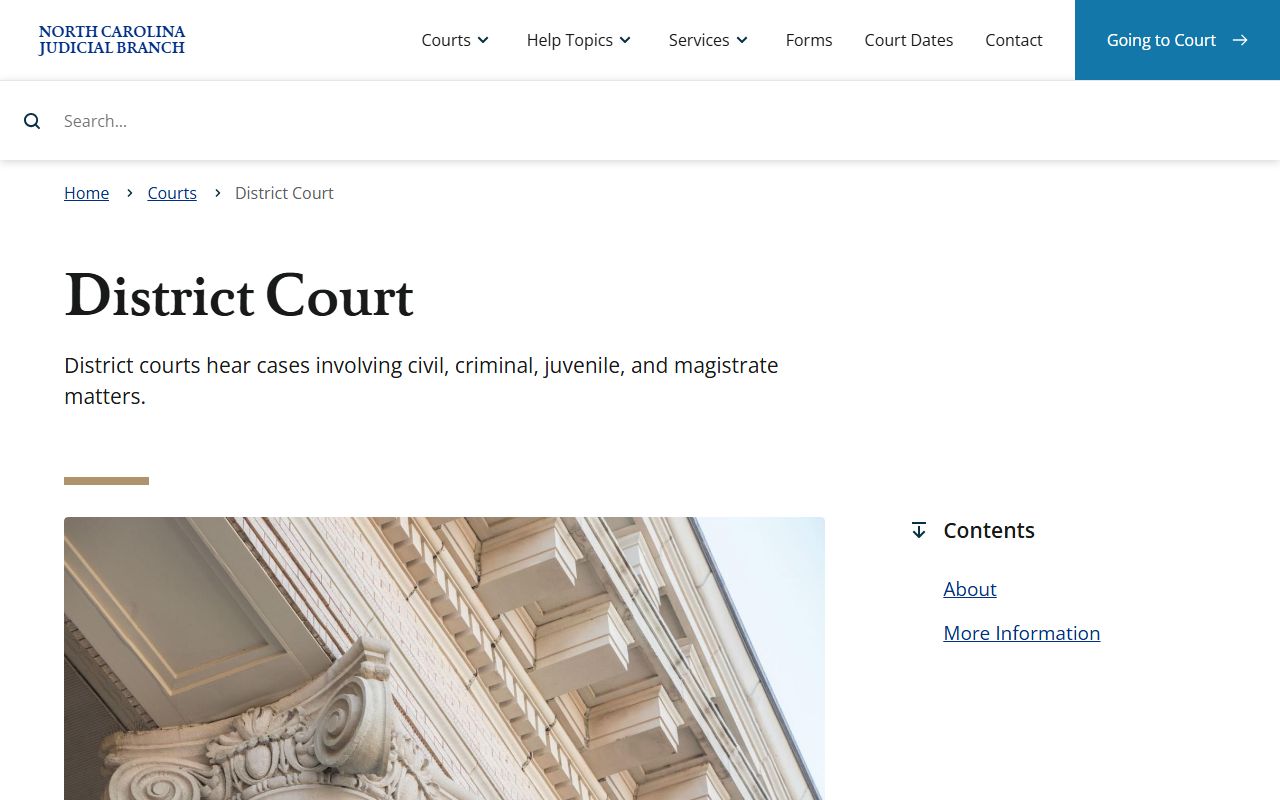
That source helps interpret District Court docket settings, especially when a case is not a felony or high-value civil matter.
The Superior Court overview explains the trial division that hears Scotland County felonies and larger civil cases.
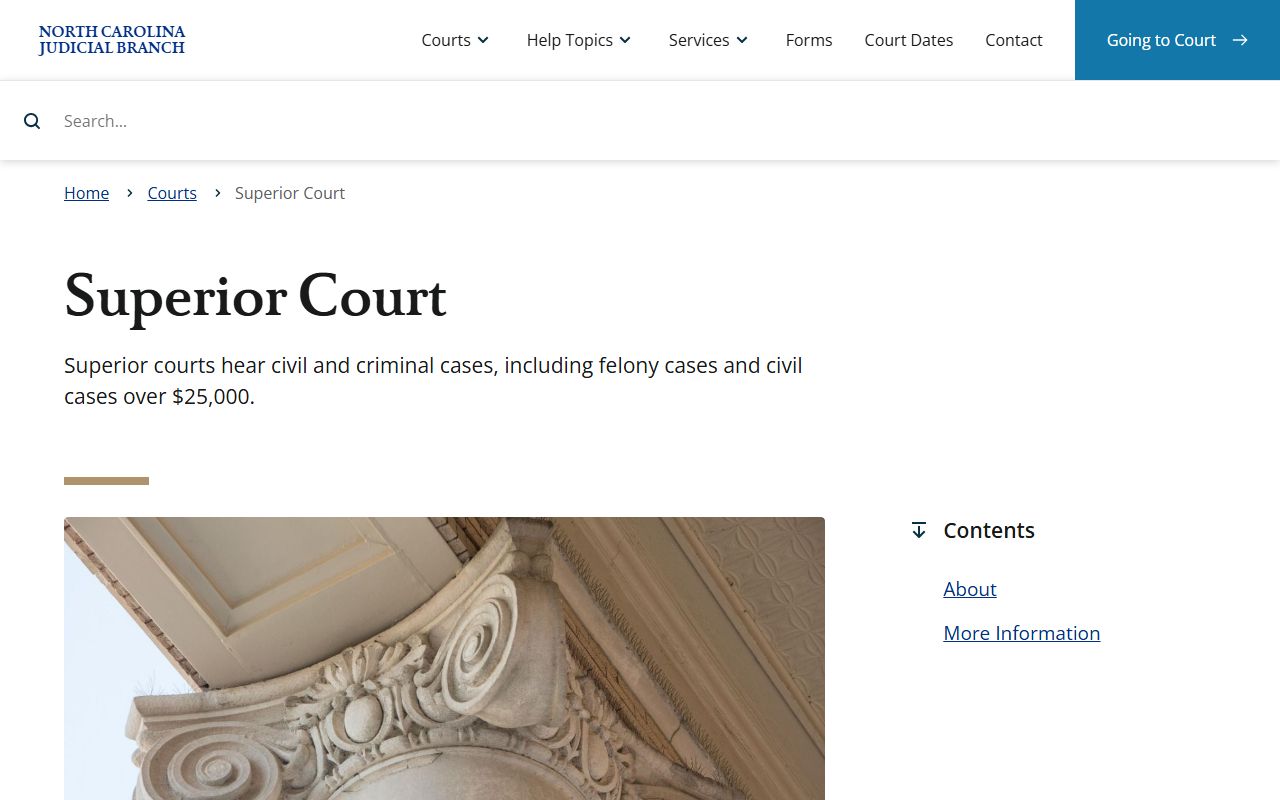
Superior Court docket entries often matter for felony hearings, jury trial settings, and civil matters above the District Court threshold.
The Court of Appeals overview identifies the appellate court that reviews many trial-court decisions for legal error.
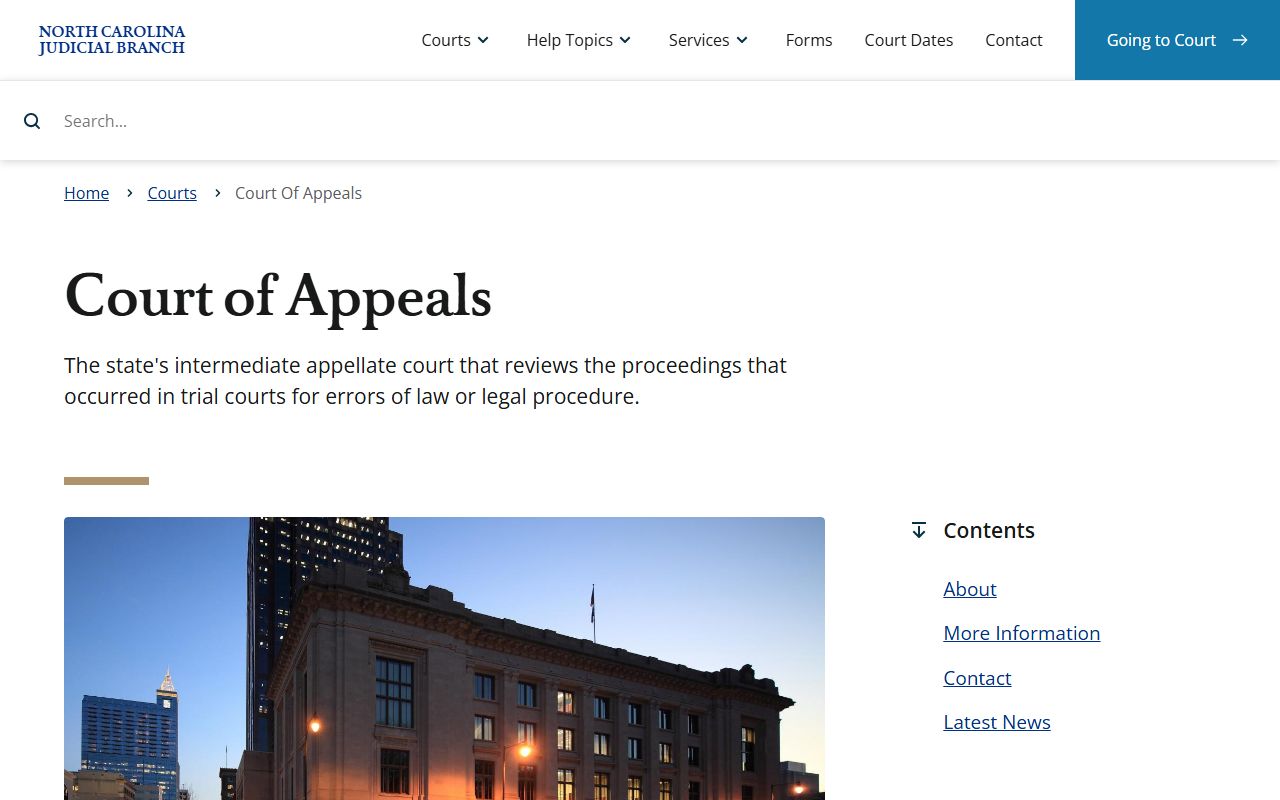
Appeal activity may explain why a trial-court docket has notices, transcript requests, or post-judgment entries.
The North Carolina court structure page shows why Scotland County dockets belong to a statewide system.
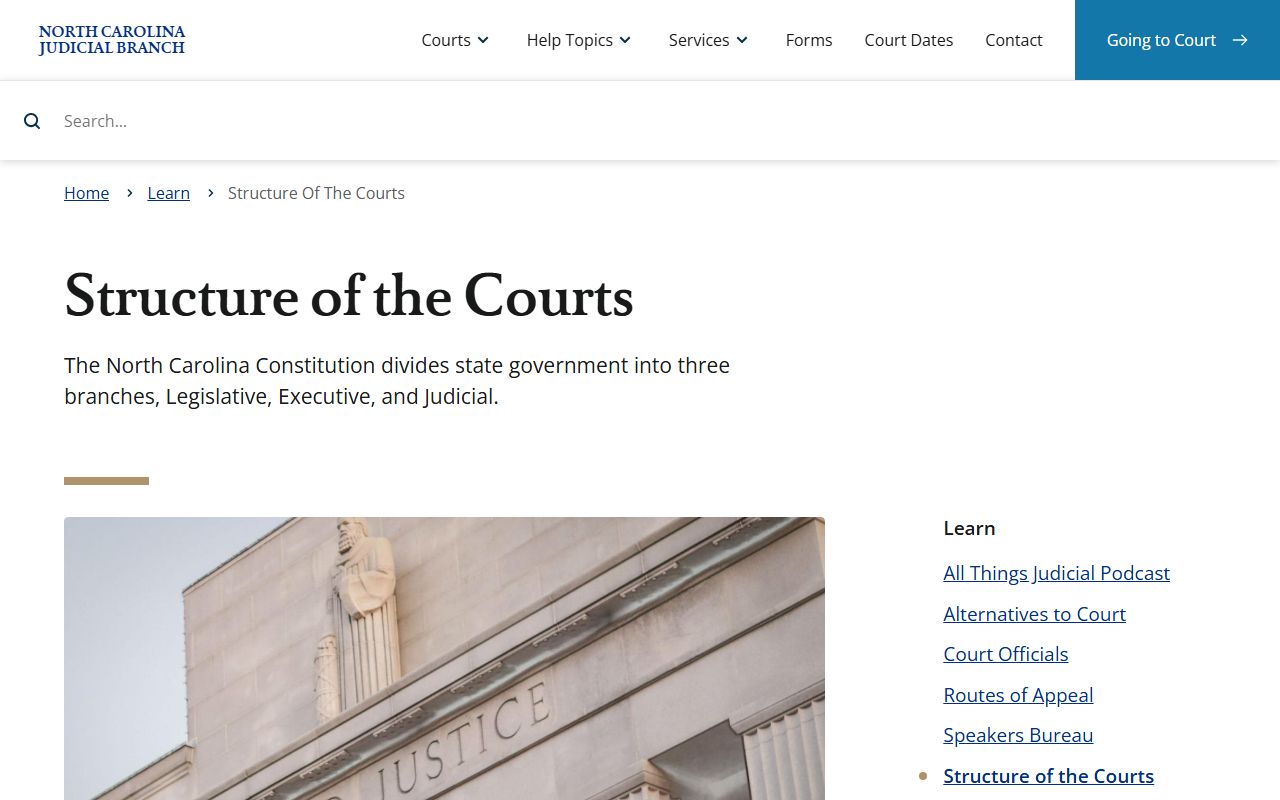
That statewide structure is why the local docket path runs through eCourts and the Clerk of Superior Court instead of a county-only court site.
The court types page gives a plain overview of how North Carolina court divisions differ.
Those court-type distinctions help place a docket entry in context before requesting full records from the clerk.
Scotland County Dockets vs Case Records
A docket is a timeline. The full case record is the file behind that timeline. For example, a Scotland County court docket may show that a motion was filed, a hearing was continued, or a judgment was entered. The full case record may include the motion text, order, exhibits, notice of appeal, payment ledger, or other documents. Portal may show some documents, but complete file inspection and certified copies still run through the Clerk of Superior Court.
| Issue | Court Docket | Full Case Record |
|---|---|---|
| Primary purpose | Track case events and hearings. | Review pleadings, orders, filings, and file documents. |
| Best online tool | Search Hearings and Smart Search event history. | Smart Search, public terminals, and clerk file access. |
| Common fields | Date, time, event type, courtroom, judicial officer, and result. | Parties, claims, charges, motions, orders, judgments, documents, and financials. |
| Copy needs | Often reviewed online for scheduling. | May require clerk copies or certification. |
Note: A docket entry can be public even when a linked document is sealed, redacted, or unavailable online.
Read Scotland County Docket Entries
Start with the case number, because it ties the docket entry to the correct file. Portal training gives the Enterprise Justice case-number pattern as a two-digit year, case type letters, a six-digit sequence number, and a three-digit county identifier. Older paper-era numbers or converted legacy records may not look the same, so a name search may be needed when a case number does not match the newer pattern.
Next, read the event type and hearing details. A motion entry means a party asked the court for a ruling. An order means the court gave a direction or decided an issue. A judgment can determine rights, liability, punishment, or money owed. A disposition gives the outcome of a claim, charge, or case. A continuance means the hearing or trial was postponed. Financial information can show costs, fines, restitution, attorney fees, probation or parole fees, civil judgments, or bond forfeitures when public.
Restricted cases can produce sparse docket information. Juvenile records, adoption files, sealed records, expunged matters, mental health proceedings, and protected personal identifiers may be withheld from ordinary public view. If a hearing exists but the docket looks incomplete, ask the clerk whether the case type, sealed status, or access level limits the public display.
Confirm Scotland County Court Dockets
Online docket information is a strong starting point, but court appearances should be confirmed through official channels. Scotland County's courthouse is the local access point for Superior Court, District Court, magistrates, the Clerk of Superior Court, court reporters, and related court offices. The Judicial Branch lists public courthouse hours as Monday through Friday, 8:30 a.m. to 5:00 p.m., with weekends closed.
Scotland County Courthouse
212 Biggs Street
Laurinburg, NC 28352
Mailing: P.O. Box 769
Laurinburg, NC 28353
910-266-4400
Monday-Friday, 8:30 a.m.-5:00 p.m.
Call before relying on a same-day docket result, especially for continuances, failure-to-appear concerns, interpreter needs, disability accommodations, or courtroom changes.