
Search Scotland County Court Records Online
The main online channel for Scotland County court records is the North Carolina eCourts Portal. Scotland County joined eCourts in the October 14, 2024 rollout, so Portal now supports public case lookup, hearing search, judgment search, and eligible online payments for the county. Smart Search is the detailed case-summary tool. It can show a Register of Actions, case information, assignment information, party information, causes of action, events, dispositions, hearings, and financial information when those items are public.
The Portal is not the only access channel. The Judicial Branch court-records help page says the case file may be viewed at the clerk's office in the county where the case is located, and staff can provide copies for a fee. It also warns that Portal should not be used for background checks. For Scotland County court records that need a full file review, use the Scotland County Courthouse and the Clerk of Superior Court.
- Open the eCourts Portal and choose Smart Search for case records or Search Hearings for court calendars.
- Enter a case number, party name, business name, attorney name, citation, or other supported search term.
- Use location and case-type filters to narrow the search to Scotland County court records.
- Open the public case summary to read events, hearings, dispositions, and financial entries where available.
- Contact the Clerk of Superior Court when a document image, certified copy, older file, or background-check search is needed.
The Judicial Branch eCourts go-live notice confirms Scotland County's transition into Enterprise Justice, Portal, File & Serve, and related online services. That change makes online court records more useful, but it does not remove the clerk's role for official file access.
Scotland County Court Records Search Fields
Portal training resources identify the main fields used to find Scotland County court records. Name searches work best when the spelling is known, but wildcard tips can help with nicknames or partial names. A case-number search should account for the Enterprise Justice format, which uses a two-digit year, case type letters, a six-digit sequence number, and a three-digit county identifier.
| Field Label | Type | Required | Notes / Format |
|---|---|---|---|
| Case number, name, attorney, or citation | Text / smart search | No | Portal supports case information searches by name, attorney, citation, and more. |
| Location | Dropdown / filter | No | Select Scotland County to focus on local court records. |
| Party Name | Text | No | Portal guidance allows wildcard searches with at least three last-name characters plus an asterisk. |
| Business Name | Text | No | Use at least four characters plus an asterisk for wildcard or business-name searches. |
| Date of Birth | Date / text | No | DOB may help narrow parties, but public validation can be limited without authorized access. |
| Case Type | Dropdown / filter | No | Filters include civil actions, special proceedings, estates, and criminal actions. |
| Case Status | Dropdown / filter | No | Useful for open, pending, disposed, closed, or similar status searches when available. |
| Case Filing Date Range | Date range | No | Helps narrow common names or broad civil and criminal court records. |
The public Portal can be used anonymously. Registration is optional for people who want saved cases in My Cases, and the Judicial Branch says registration does not grant extra public access. Elevated access is separate and limited to users with legal authority and verified business need.
Types of Scotland County Court Records
Scotland County court records come from the Superior Court and District Court divisions of the North Carolina General Court of Justice. North Carolina is a unified statewide court system, so Scotland County does not run a separate county court website with its own case index. The local courthouse is the access point, and the Clerk of Superior Court is the records custodian for filed cases, dockets, indexes, estates, judgments, and special proceedings.
The court record category matters because public access, search fields, and copy needs differ. Civil court records can include complaints, answers, motions, orders, judgments, liens, and docket entries. Criminal court records include charges, pleas, hearings, dispositions, sentences, costs, and probation terms. Estate and special proceeding records use clerk-supervised case paths. Family records may be public in part but can contain restricted material. Traffic and infraction records are court files when a citation is filed with the court.
- Civil records cover lawsuits, claims, judgments, liens, lis pendens, and related motions or orders.
- Criminal records track charges, appearances, pleas, motions, bond orders, dispositions, and sentences.
- Estate and special proceeding records may include wills, inventories, accountings, orders, and clerk hearing events.
- Family and domestic records include divorce, custody, support, equitable distribution, and protective-order matters.
- Judgment records can be searched through NC Judgment Search, then reviewed in Smart Search for case context.
North Carolina public-records statutes supply the general state access framework, while court records also depend on court-specific record laws and confidentiality statutes.
What Scotland County Court Records Show
A Scotland County court record is more than a single result line. Smart Search may show the case summary and Register of Actions, while the full court file may contain pleadings, orders, judgments, notices, transcripts, accountings, or other documents depending on case type. Public Portal views are useful for case tracking, but document visibility can be limited by access settings, sealed status, redactions, or case confidentiality.
| Field | What It Shows |
|---|---|
| Case Number | The Enterprise Justice identifier, often formatted with year, case type letters, sequence number, and county identifier. |
| Court / Division | Superior Court, District Court, estates, special proceedings, or another applicable case path. |
| Filing Date | The date the case, petition, charge, or proceeding was filed. |
| Parties | Names and roles such as plaintiff, defendant, State, petitioner, respondent, decedent, heir, or personal representative. |
| Events | Docket activity such as filings, motions, continuances, hearings, orders, notices, and judgments. |
| Disposition | The outcome of a charge, claim, judgment, or case when public. |
| Financial Information | Costs, fines, restitution, attorney fees, probation or parole fees, judgments, or bond forfeitures when applicable. |
| Documents | Public document links or references, subject to case type, sealing, redaction, and access rules. |
Federal court records are outside Scotland County's state case file. For federal filings, use PACER, and for bankruptcy matters use the U.S. Bankruptcy Court for the Middle District of North Carolina.
Public Access to Scotland County Court Records
North Carolina law treats many court records as public, but not all records are available through the same channel. N.C.G.S. 7A-109 requires clerks to maintain court records, files, dockets, and indexes, and it makes those records open to public inspection during regular office hours unless another law says otherwise. Chapter 132 is broader public-records law, but court-file access still turns on court rules, confidentiality statutes, and the clerk's official file.
The Judicial Branch separates court case files from administrative public-record requests. If the needed item is a pleading, order, divorce judgment, docket, estate file, or certified copy, the Clerk of Superior Court is the proper contact. If the needed item is a Judicial Branch administrative record, use the Judicial Branch public-records request process. Sheriff records, inmate confinements, incident reports, and criminal papers are separate law-enforcement records, not the same as the court case file.
Note: Public online access does not guarantee certified copies, background-check clearance, or access to sealed case material.
Official Scotland County Court Records Sources
The Judicial Branch public-records request page is the official route for administrative Judicial Branch records rather than case-file copies.
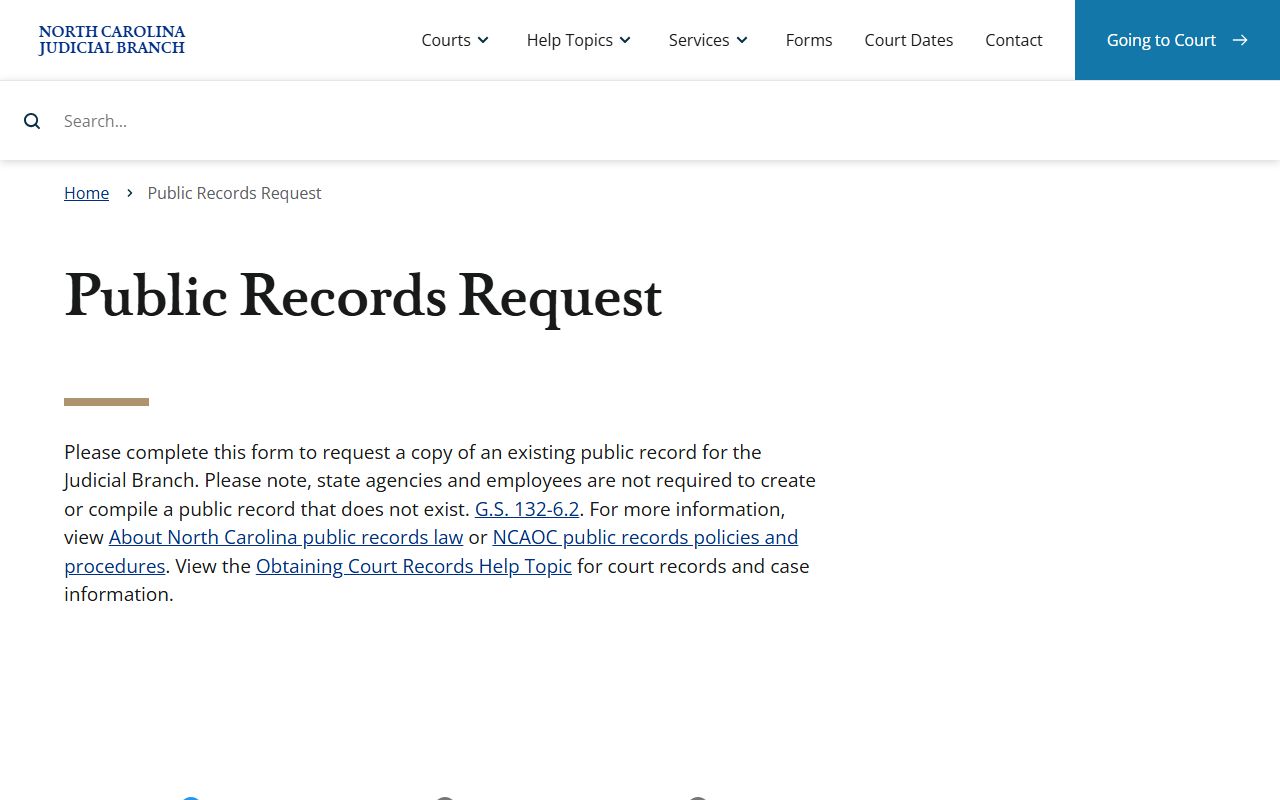
For filed case documents, the same research points users back to the Clerk of Superior Court rather than treating the request form as a shortcut around the court file.
The Portal training page explains Smart Search, hearing search, case-number format, and public versus elevated access.
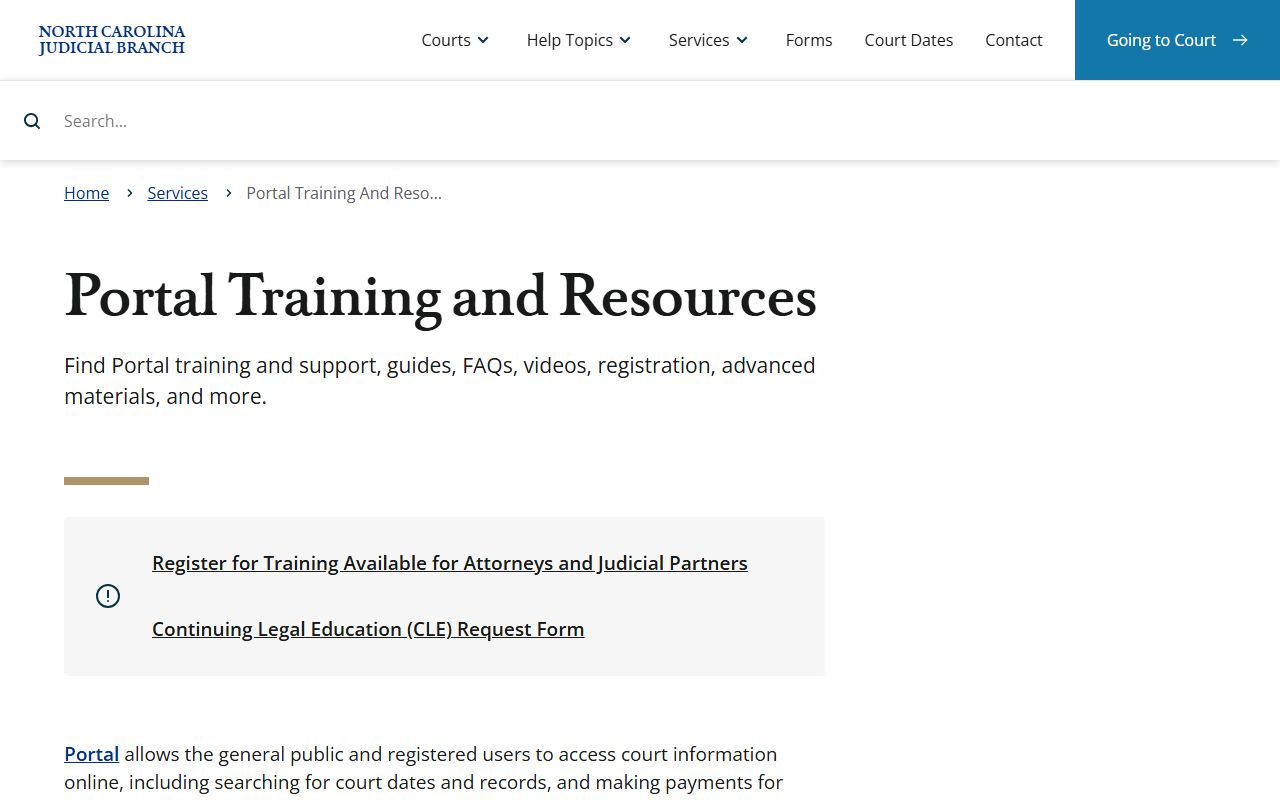
Those Portal fields shape the online path for Scotland County court records, especially when searching by name, case number, location, case type, or filing date.
The eCourts go-live notice places Scotland County in the October 2024 group that moved to statewide online court services.
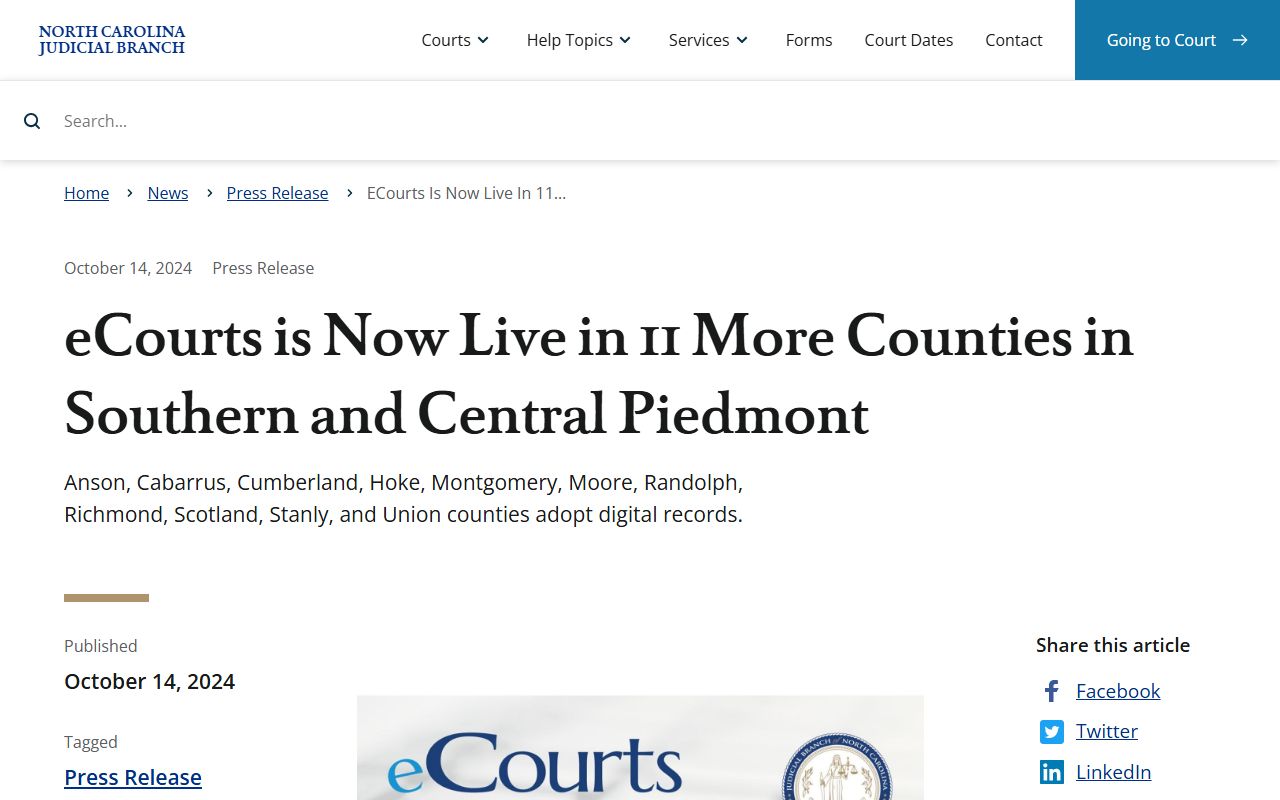
That timeline matters when older file numbers or pre-eCourts paper records do not line up neatly with newer Portal case formats.
The North Carolina Chapter 132 statutes explain the general public-records rule for state and local agencies.
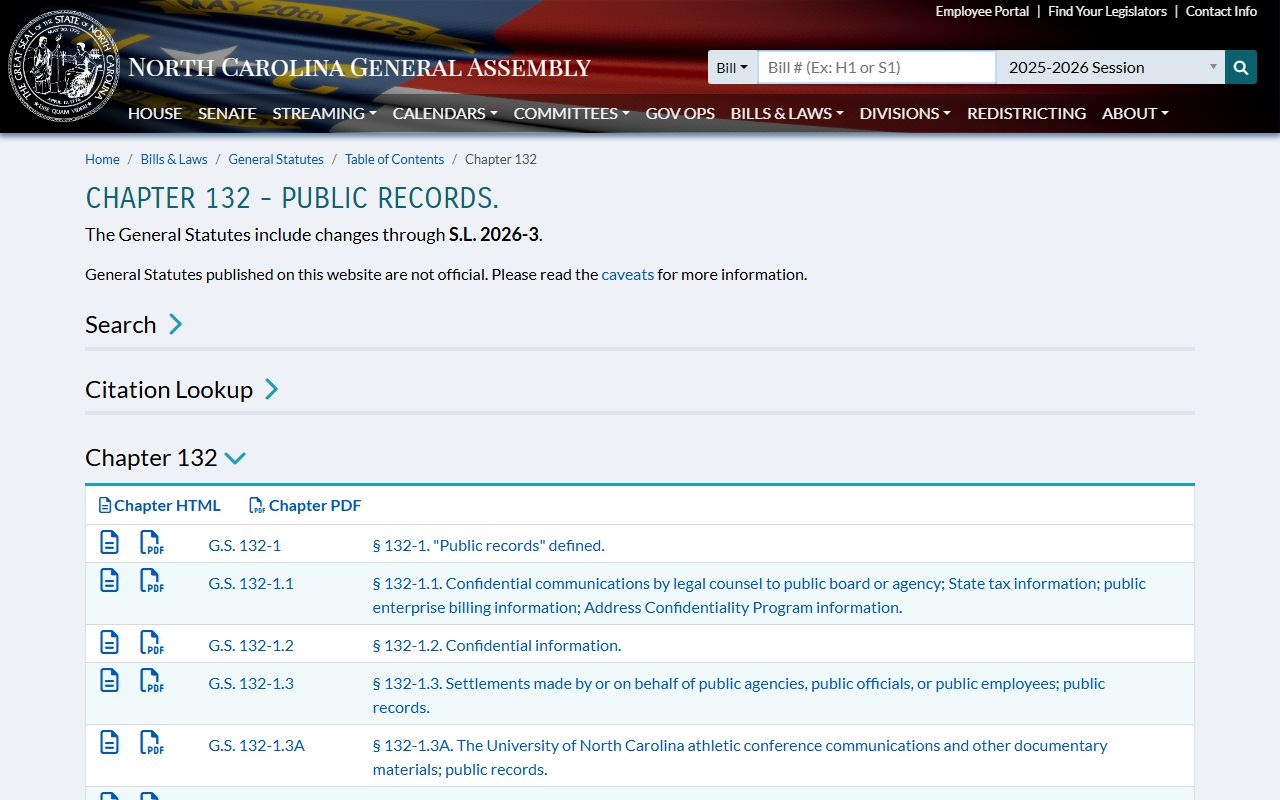
Court users still need the court-record statute and confidentiality rules because a court file is not always handled like a routine agency record.
Federal case files use PACER, not the Scotland County Clerk of Superior Court.
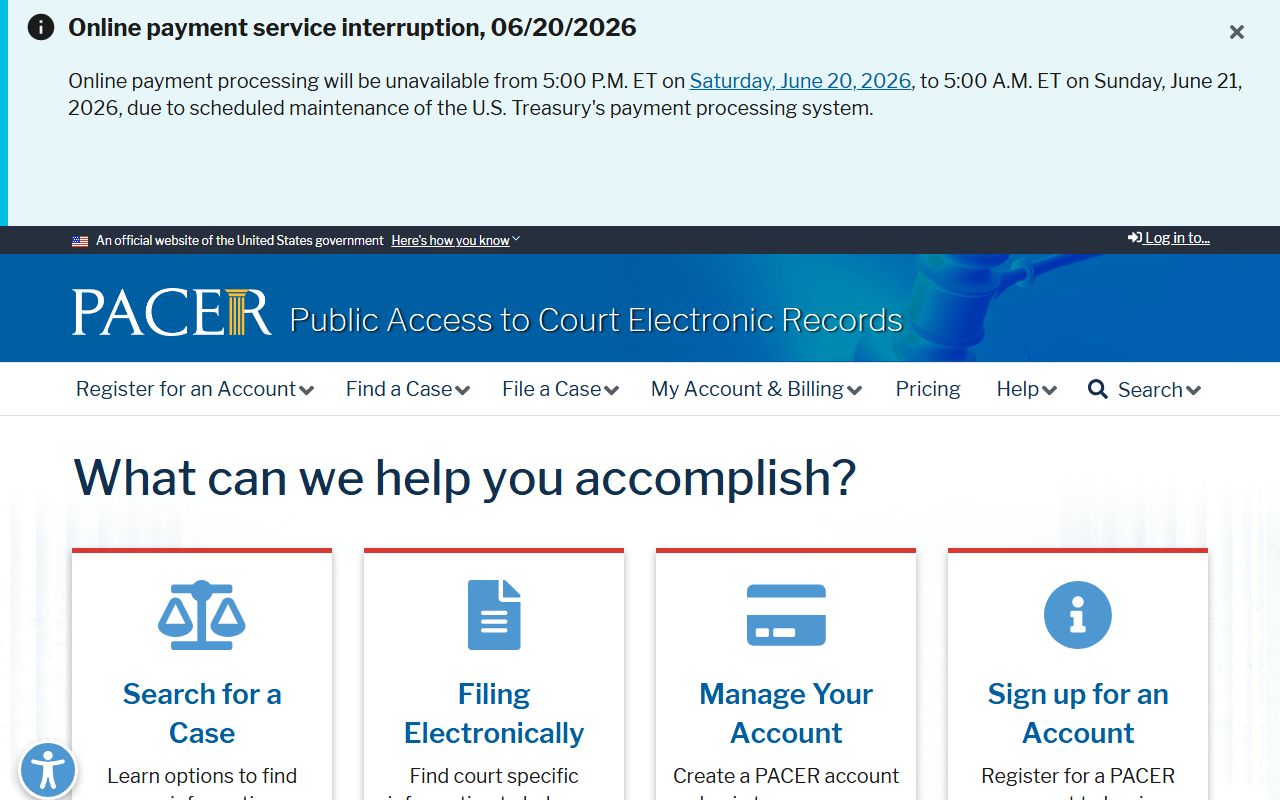
PACER is relevant only when the case is in federal district, bankruptcy, or appellate court rather than North Carolina trial court.
The Middle District of North Carolina Bankruptcy Court is another federal source that sits outside Scotland County state court records.
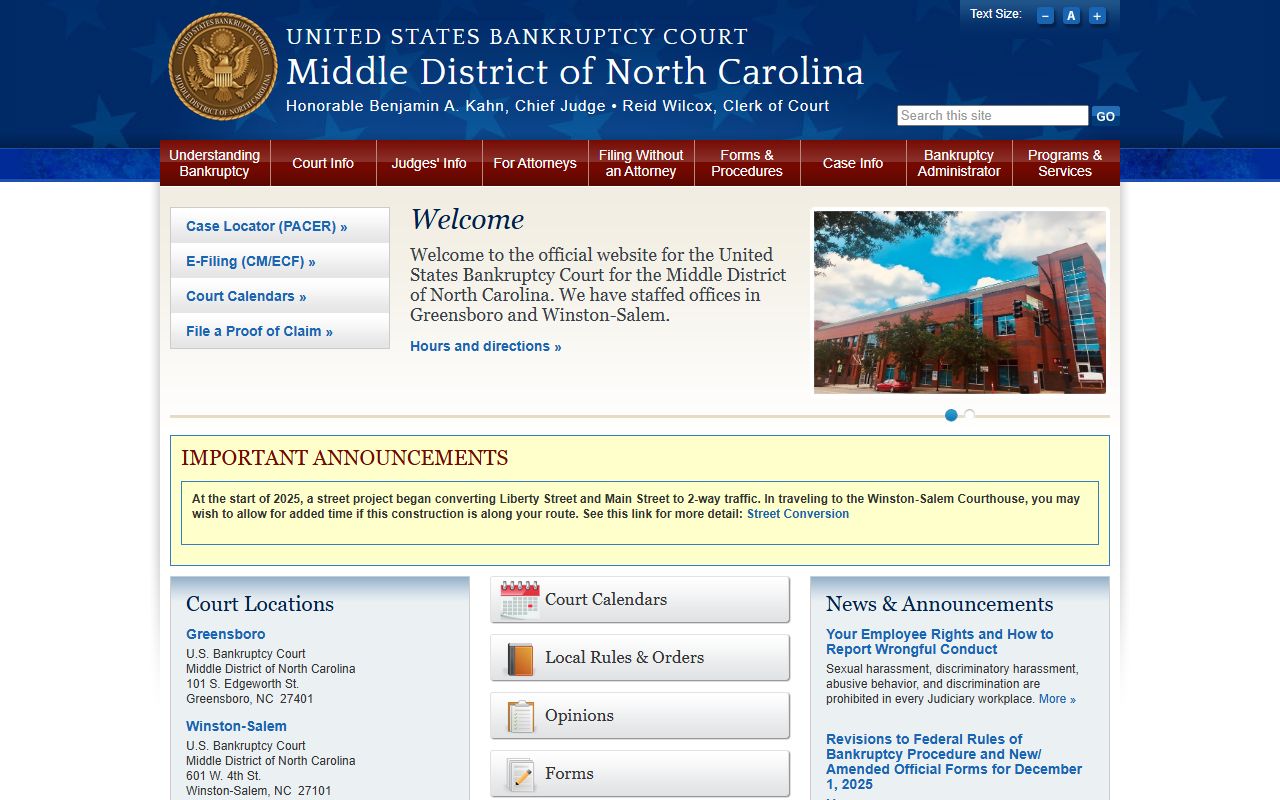
Bankruptcy records may affect judgments, debts, or liens, but they are maintained by the federal bankruptcy court rather than the local clerk.
Restricted Scotland County Court Records
Some Scotland County court records are not ordinary public files. Juvenile delinquency records are confidential under N.C.G.S. 7B-3000, and adoption records are generally confidential under Chapter 48. Mental health proceedings, abuse and neglect matters, sealed filings, expunged matters, and records with protected personal identifiers may be withheld, redacted, or visible only to authorized users.
Expunction is a court process, not a search-filter setting. The Judicial Branch expunction material explains that eligibility depends on the charge, disposition, prior record, waiting period, and statute. Once a record is expunged, public systems should not show the covered official record, but the person should keep a certified copy of the order in case a later database mismatch appears.
Note: If Portal shows no public case record, the reason may be sealing, expunction, confidentiality, data limits, or a spelling mismatch.
Scotland County Court Records at the Clerk
The Clerk of Superior Court is the local custodian for court files in Scotland County. The office handles records for both Superior Court and District Court matters in the statewide trial-court system. For complete court files, certified copies, divorce judgments, older records, public-terminal access, and background-check-quality searches, the clerk's office is the practical end point even when the search begins online.
Clerk of Superior Court
Scotland County Courthouse
212 Biggs Street
Laurinburg, NC 28352
910-266-4400
Monday-Friday, 8:30 a.m.-5:00 p.m.
Marriage, deed, birth, death, plat, military discharge, and UCC records are handled by the Scotland County Register of Deeds, not the court clerk. That split is important when a name search involves both court records and land or vital records.